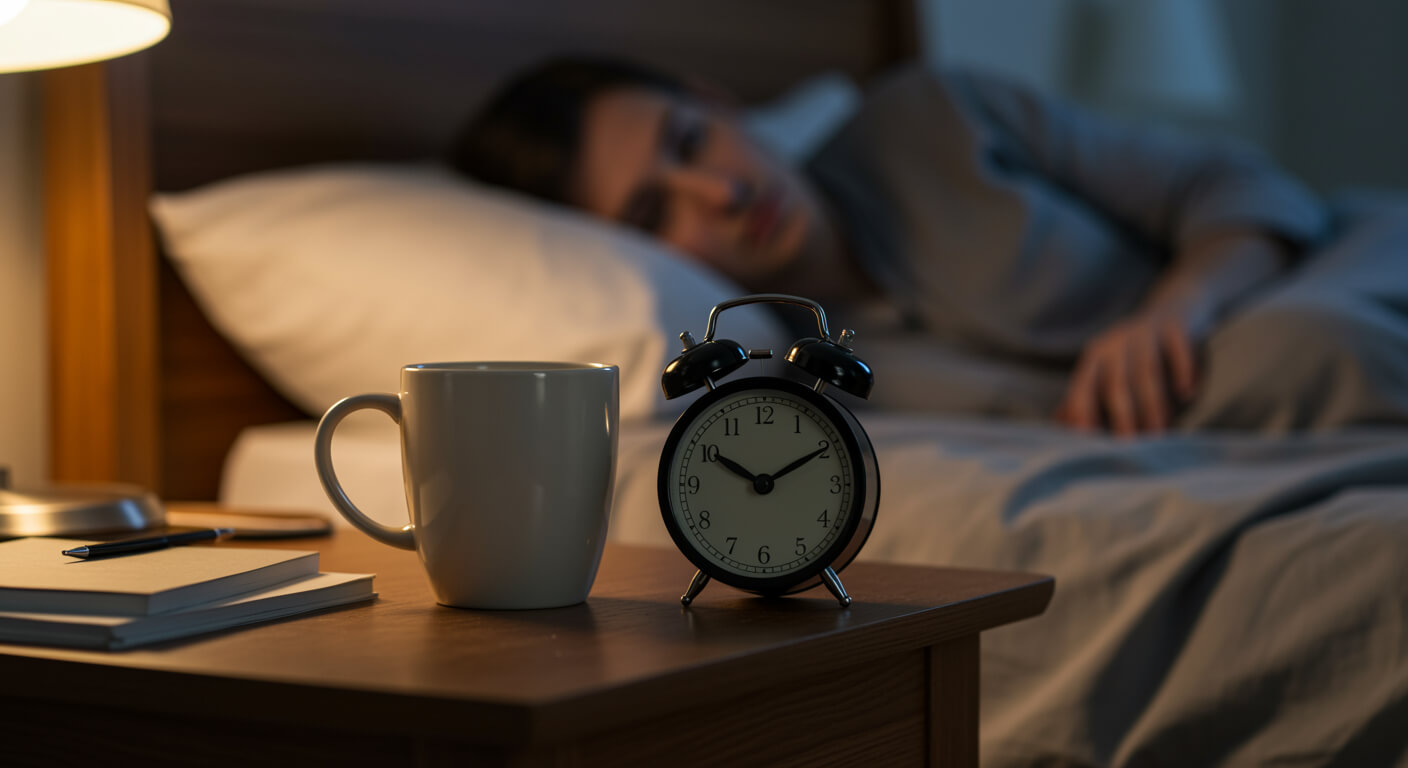
Coffee is one of the most popular beverages in the world, valued for its ability to increase alertness, focus, and productivity. However, the relationship between coffee and sleep is complex. While caffeine can help you stay awake when needed, it can also interfere with your body’s natural sleep processes — sometimes even when consumed hours earlier.
Many people assume that avoiding coffee late at night is enough to protect sleep, but research shows caffeine can affect sleep quality, duration, and recovery even when consumed in the afternoon. Understanding how caffeine works in the body, how long it lasts, and how individual sensitivity varies can help you enjoy coffee without sacrificing rest.
If you want a complete overview of coffee’s overall effects on the body, read our comprehensive guide on coffee and health benefits, risks, nutrition and safe intake guide.
How Caffeine Works in the Brain
Caffeine is a central nervous system stimulant. Its primary mechanism involves blocking adenosine, a neurotransmitter responsible for promoting sleepiness.
Adenosine and Sleep Pressure
Throughout the day, adenosine accumulates in the brain, increasing the urge to sleep. When you drink coffee, caffeine occupies adenosine receptors, preventing this signal from reaching the brain.
As a result:
- You feel more alert
- Fatigue is temporarily reduced
- Reaction time improves
- Mental clarity increases
However, adenosine continues to build up in the background. Once caffeine wears off, the accumulated sleep pressure can cause sudden fatigue.
How Long Caffeine Stays in the Body
One of the biggest reasons coffee affects sleep is its long duration of action.
Half-Life of Caffeine
The half-life of caffeine is typically:
👉 5 to 8 hours (sometimes longer)
This means that after 6 hours, about half the caffeine remains in your system.
Example:
- Drink coffee at 2 PM → significant caffeine may still be active at 8–10 PM
For sensitive individuals, effects can last even longer.
Effects of Coffee on Falling Asleep
Delayed Sleep Onset
Caffeine can make it harder to fall asleep by maintaining alertness and reducing the sensation of tiredness.
Common effects include:
- Racing thoughts
- Difficulty relaxing
- Increased heart rate
- Restlessness
- Anxiety
Even if you feel sleepy, caffeine may prevent the brain from transitioning into sleep mode efficiently.
Effects on Sleep Quality
Falling asleep is only part of the story. Coffee can also alter sleep architecture — the structure of sleep cycles throughout the night.
Reduced Deep Sleep
Deep sleep is essential for physical recovery, immune function, and memory consolidation. Caffeine can reduce the amount of slow-wave sleep, leaving you feeling unrefreshed.
Increased Night Awakenings
Caffeine may cause lighter sleep and more frequent awakenings, especially in older adults.
Reduced REM Sleep
Some studies suggest caffeine may also affect REM sleep, which is important for emotional regulation and cognitive processing.
Why You May Feel Tired Even After Sleeping
When caffeine disrupts deep sleep, you may technically sleep for many hours but still wake up fatigued.
This creates a cycle:
- Poor sleep
- Morning fatigue
- Increased coffee consumption
- Further sleep disruption
Breaking this cycle often requires adjusting caffeine timing rather than eliminating coffee entirely.
Afternoon Coffee and Sleep
Many people rely on afternoon coffee to overcome the post-lunch energy slump. While moderate intake can restore alertness, it may compromise nighttime sleep.
Research indicates that caffeine consumed even 6 hours before bedtime can reduce total sleep time.
For guidance on optimal caffeine timing, see our article on best time to drink coffee for energy.
Individual Sensitivity to Caffeine
Not everyone responds to coffee in the same way.
Genetics
Certain genes affect how quickly caffeine is metabolized. Fast metabolizers may tolerate evening coffee better than slow metabolizers.
Age
Older adults often become more sensitive to caffeine’s sleep-disrupting effects.
Body Weight and Health
Smaller individuals or those with anxiety disorders may experience stronger stimulant effects.
Habitual Use
Regular coffee drinkers may develop tolerance, but tolerance to alertness does not necessarily eliminate sleep disruption.
Coffee and Anxiety-Related Insomnia
Caffeine stimulates the release of stress hormones such as adrenaline and cortisol. In susceptible individuals, this can trigger:
- Racing thoughts
- Nervousness
- Panic symptoms
- Difficulty calming the mind
This type of insomnia is common among people with anxiety disorders.
How Late Is Too Late for Coffee?
Sleep experts generally recommend avoiding caffeine several hours before bedtime.
General Guideline
👉 Stop caffeine 6–8 hours before sleep
If you sleep at 11 PM:
- Last coffee ideally before 3–5 PM
Sensitive individuals may need an even earlier cutoff.
Coffee and Sleep Disorders
People with existing sleep issues should be particularly cautious.
Caffeine can worsen conditions such as:
- Insomnia
- Restless legs syndrome
- Sleep apnea symptoms
- Circadian rhythm disorders
Reducing caffeine intake often improves sleep quality significantly.
Can Coffee Improve Alertness Without Ruining Sleep?
Yes — when used strategically.
Tips for balanced consumption:
- Drink coffee earlier in the day
- Avoid large doses late afternoon
- Limit total daily intake
- Monitor personal sensitivity
- Maintain consistent sleep schedule
Proper timing allows you to benefit from caffeine while preserving restorative sleep.
Alternatives for Evening Relaxation
If you enjoy a warm beverage at night, consider:
- Decaffeinated coffee
- Herbal teas
- Warm milk
- Non-caffeinated grain beverages
These options provide comfort without interfering with sleep cycles.
Practical Strategies to Protect Sleep
- Keep caffeine intake moderate
- Avoid coffee on an empty stomach if sensitive
- Stay hydrated
- Maintain regular sleep-wake times
- Limit screen exposure before bed
- Create a relaxing nighttime routine
Lifestyle habits often amplify or reduce caffeine’s effects.
Final Thoughts
The relationship between coffee and sleep depends largely on timing, dosage, and individual sensitivity. While caffeine is an effective stimulant that improves alertness and performance, it can interfere with falling asleep, reduce deep sleep, and impair recovery if consumed too late in the day.
For most people, enjoying coffee earlier in the day and limiting afternoon intake allows them to benefit from caffeine without sacrificing rest. Understanding your personal response is key to maintaining both productivity and healthy sleep patterns.
For a broader perspective on coffee’s effects on the body, explore our pillar article on coffee and health benefits, risks, nutrition and safe intake guide.
FAQs
Does coffee always cause insomnia?
Not necessarily. Effects depend on timing, dose, and individual sensitivity to caffeine.
How many hours before bed should I stop drinking coffee?
Most people should avoid caffeine at least 6–8 hours before bedtime.
Can I sleep after drinking coffee?
Some individuals can fall asleep despite caffeine, but sleep quality may still be reduced.
Is decaf coffee safe at night?
Decaffeinated coffee contains very little caffeine and is usually safe for evening consumption.
Why do I wake up tired after drinking coffee the day before?
Caffeine may reduce deep sleep, leading to insufficient physical and mental recovery.