
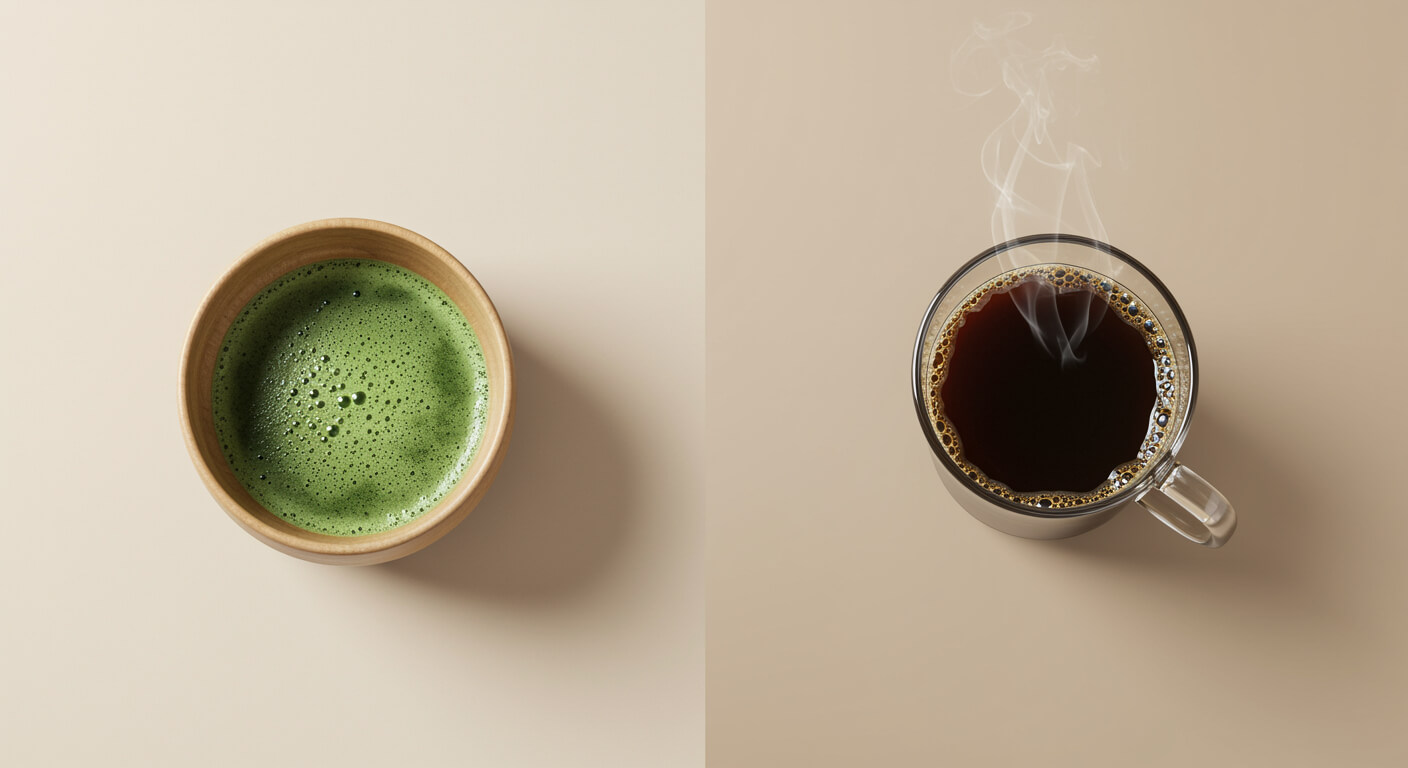
For many, the ritual of a morning drink is an indispensable part of starting the day. Whether it’s the rich aroma of coffee or the vibrant hue of matcha, these beverages are celebrated for their ability to awaken the senses and boost energy. But when it comes to sustainable energy boosts, which stands out? This guide delves into matcha and coffee, comparing their benefits and effects on energy levels.
The Caffeine Content Conundrum
Caffeine is a stimulator of the central nervous system and a primary reason people turn to matcha and coffee to kickstart their day. However, the caffeine content and its absorption into the body vary significantly between the two.
Matcha
- Matcha contains about 19-44 mg of caffeine per gram, translating to roughly 38-176 mg per serving.
- The caffeine in matcha is released slowly into the bloodstream, largely due to the presence of the amino acid L-theanine.
- The combination of caffeine and L-theanine provides a calm alertness that can sustain energy levels for longer periods.
Coffee
- A typical cup of coffee contains approximately 95 mg of caffeine.
- Coffee provides a quick energy spike, as caffeine is rapidly absorbed into the bloodstream.
- While effective, coffee can lead to energy crashes and may increase anxiety in some individuals.
The Nutrient Profiles: More Than Just Caffeine
When comparing matcha and coffee, it’s essential to consider not just the caffeine content but their overall nutrient profiles. Which drink provides more sustainable fuel for your body?
Matcha
- Rich in antioxidants, particularly the catechin EGCG, which is linked to various health benefits.
- Contains a significant amount of L-theanine, which contributes to its calming effects and can enhance mental focus and clarity.
- Offers a variety of vitamins and minerals, including vitamins A, C, and E, and trace minerals like iron and potassium.
Coffee
- Contains antioxidants such as chlorogenic acid, which may help to decrease inflammation and blood sugar levels.
- Provides small amounts of B vitamins and magnesium, essential for energy production and brain health.
- May have potential benefits for heart and liver health, though these effects are largely attributed to moderate consumption.
Impact on Mental Clarity and Focus
When weighing the benefits of matcha and coffee on mental clarity and focus, it’s important to examine how each can enhance cognitive performance.
Matcha
- The synergistic effect of caffeine and L-theanine in matcha not only fuels focus and concentration but also improves memory and learning abilities.
- The gradual absorption of caffeine can prevent the jitteriness often associated with high caffeine intake.
Coffee
- Caffeine in coffee stimulates the release of dopamine, enhancing alertness and concentration.
- However, the lack of L-theanine might result in a sharper, yet more ephemeral boost in mental clarity.
Health Implications: Short-Term and Long-Term
Both matcha and coffee come with potential health benefits and drawbacks. Choosing the right one for a sustainable energy boost involves understanding these health implications.
Matcha
- The high antioxidant content in matcha may support overall health by reducing oxidative stress and inflammation.
- Packed with calming L-theanine, matcha supports a balanced mood without causing energy crashes.
Coffee
- Moderate coffee consumption has been associated with a reduced risk of certain chronic diseases, including those affecting the liver and heart.
- Excessive intake, however, can lead to insomnia, restlessness, and increased heart rate, showcasing the need for moderation.
Choosing Your Ideal Energy Booster
Ultimately, the choice between matcha and coffee as an energy booster depends on personal needs and lifestyle factors.
- If you prioritize sustained energy without the jitters or crashes, matcha might be your go-to option.
- For those who need a quick and powerful alertness surge, coffee may better suit your morning routine.
- Considering caffeine sensitivity and individual health conditions can further guide your decision.
Both matcha and coffee can positively impact your energy levels and overall health when consumed mindfully. Experiment with both to discover which one delivers the energy and focus you require in a sustainable way, aligning with your health goals.
